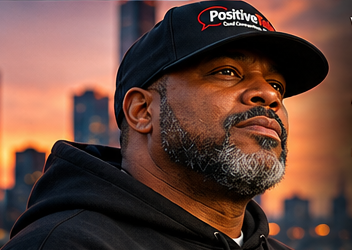
The pressure to be the strong one
Picture a man who everyone calls dependable. He shows up early, solves problems, pays attention to other people's needs, and rarely says when he feels overwhelmed. From the outside, that reputation can look like success. From the inside, it may leave very little room for him to be human.
Some men grow up hearing that strength means staying quiet about grief, exhaustion, anxiety, or illness. Those expectations are not universal, and no single story describes every man. But when silence becomes the only acceptable response, even ordinary requests for help can begin to feel difficult.
Redefining what strength looks like
A different definition is possible: strength can include asking questions at a medical appointment, letting a friend know that life feels heavy, or admitting that a coping habit is not helping anymore. These are actions, not failures.
Showing vulnerability does not erase responsibility. It makes responsibility sustainable. A man can remain committed to his family, work, or faith and still need rest, treatment, accountability, and encouragement.
A conversation that changes the room
Imagine a trusted friend asking, 'You've been taking care of everybody. Who is taking care of you?' That kind of question can interrupt the familiar script of 'I'm fine.' It makes room for a real answer without forcing one.
For someone listening, the best starting point may be simple: put the phone away, avoid making jokes about weakness, and ask whether the person wants to be heard or wants help finding resources. Respect their answer.
One action today
Choose one ordinary, doable step: schedule an overdue checkup, speak honestly with someone you trust, look at a mental health resource, or check on a friend without waiting for a crisis. If persistent symptoms or significant distress affect everyday life, a healthcare professional can help you evaluate next steps.
Positive Talk believes good conversations become better when they lead to care. Men deserve a place in those conversations too.
One good conversation can matter.
You do not have to navigate every challenge alone. Explore reliable resources and start with one practical step.
Explore trusted resources →Educational reflection, not individual medical advice. Talk with a qualified healthcare professional about symptoms or personal health decisions. For immediate danger call 911; in the U.S. call or text 988 for crisis support.