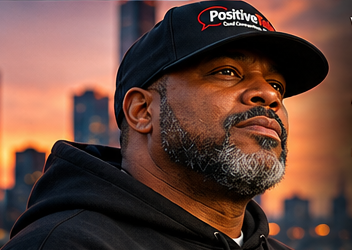
Look past the automatic answer
'I'm good' can be a greeting rather than a full report. When someone you know becomes withdrawn, stops enjoying familiar things, or seems persistently overwhelmed, a sincere check-in can help them feel less alone.
You do not have to diagnose a friend. You can notice changes, share what you see without judgment, and ask how they're really doing.
Ask, then listen
Try something specific and gentle: 'You've seemed exhausted lately. Want to talk?' Or: 'No pressure, but I'm here if today has been hard.' Choose a private moment where the person won't feel put on display.
If they open up, let pauses happen. Resist the urge to immediately compare experiences or offer a quick fix. Sometimes being heard is the first useful step.
Offer practical help
Support can be a follow-up text, a ride to an appointment, taking a walk together, or helping someone locate a counselor or support group. Ask permission before making calls or sharing their story with others.
A check-in becomes more meaningful when it isn't a one-time performance. Even a short message next week shows that the conversation mattered.
When safety is a concern
If someone says they may hurt themselves or expresses immediate danger, take that seriously. In the United States, call or text 988 for crisis support; call 911 if there is immediate danger. Do not promise secrecy about immediate safety concerns.
For ongoing distress, encourage contact with qualified help while remaining present as a friend. Caring about someone doesn't mean handling every crisis alone.
One good conversation can matter.
You do not have to navigate every challenge alone. Explore reliable resources and start with one practical step.
Explore trusted resources →Educational reflection, not individual medical advice. Talk with a qualified healthcare professional about symptoms or personal health decisions. For immediate danger call 911; in the U.S. call or text 988 for crisis support.