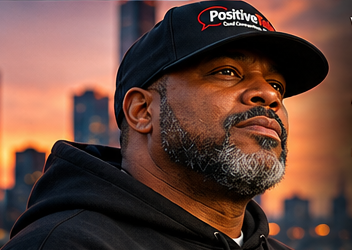
There is no single way distress appears
Not everyone experiences emotional strain as visible sadness. Some people notice irritability, changes in sleep or appetite, loss of interest, difficulty concentrating, physical complaints, or increased reliance on alcohol or drugs.
These experiences do not automatically mean someone has a mental health condition. They can, however, be signals worth discussing with a qualified professional, especially when they persist or interfere with life.
The weight of expectations
A person may feel pressure to provide, protect, succeed, or remain calm for others. Those roles can matter deeply. But they cannot replace sleep, relationships, meaningful rest, or professional support when needed.
Men are not all alike. Culture, age, disability, family experiences, and social environments shape how people talk about their feelings. Good support begins by listening instead of assuming.
Care is more than one kind of conversation
A trusted friend can be valuable. So can a primary care professional, a counselor, a community group, and resources that explain mental health in plain language. Therapy and other treatments may help, depending on what a professional recommends.
Small daily habits can support wellbeing, but they should not be framed as substitutes for treatment when symptoms are significant.
A gentle invitation
If you are struggling, you can start with one sentence: 'Something hasn't felt right, and I need to talk to somebody.' If you are supporting someone else, make room for that sentence without judgment.
If thoughts of suicide or self-harm are present, seek help immediately. In the United States, call or text 988 for free, confidential crisis support, or call 911 for immediate danger.
One good conversation can matter.
You do not have to navigate every challenge alone. Explore reliable resources and start with one practical step.
Explore trusted resources →Educational reflection, not individual medical advice. Talk with a qualified healthcare professional about symptoms or personal health decisions. For immediate danger call 911; in the U.S. call or text 988 for crisis support.